

A feature can work exactly as intended and still leave someone frustrated. The interface might be cluttered. The output might be difficult to verify. The result might be technically correct but missing the character someone hoped for.
Those details become clearer when a product leaves the builder’s hands.
Welcome back to Builders Behind the Launches, our recurring series about the people building in the BuildHop community.
This time, we’re featuring Alex Marin, Leo Guinan, and Ilyes Bacha. Each is discovering how much of building a useful product happens beyond getting the functionality to work.
Alex Marin, One Design
Alex Marin is a designer who builds and ships his own products. He gravitates toward everyday problems people have learned to tolerate: cluttered tools, unnecessary complexity, and small tasks that take more effort than they should.
His instinct is to make those experiences feel calmer.
That approach connects his two products, One Design and SPARC.
One Design brings together browser-based image tools, with files processed on the user’s device. It grew from Alex’s frustration with tools that were slow, crowded, or required privacy compromises for straightforward tasks.
SPARC brings the same attention to family organization. It combines a shared calendar, tasks, lists, and photo moments, with a color-coded robot representing each family member.
The inspiration included a familiar household interruption. Alex had just sat down to play games when his wife reminded him they had parents’ evening.
The evening already had other plans.
Both products began with something Alex wanted to use himself. Building them also challenged an assumption he had carried about who was qualified to ship software. He once thought he needed to become a “real” developer first. Instead, he has found that starting from design and learning the technical side along the way gives him a useful perspective.
Early encouragement came from showing versions to family and friends. They asked when they could use the products and described where they would fit into their lives. Those conversations gave Alex a reason to keep going, while leaving the longer question of adoption open.
Getting people to notice remains a challenge. Building is familiar territory; marketing and distribution are skills he is still developing.
His advice to first-time builders reflects how he started: make something you would use yourself, release it before it feels ready, and let real users help you decide what needs fixing.
What is One Design?
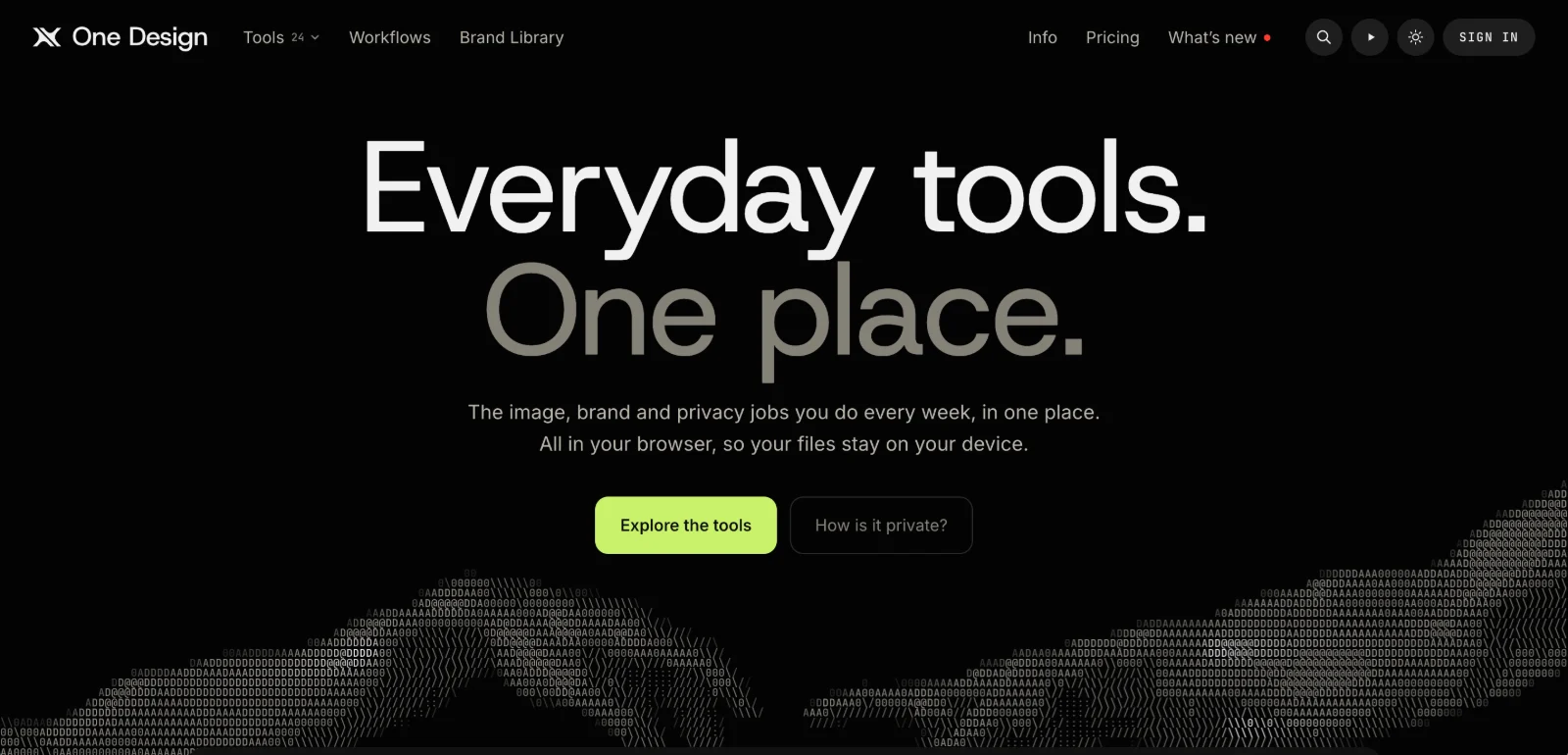
One Design is a collection of browser-based image tools that process files on your device, helping you complete everyday design tasks without uploading your files to a server.
Leo Guinan, story.markets
Leo Guinan is interested in what happens between an AI system producing an answer and a person deciding whether to rely on it.
Where did the answer come from? What did the system assume? What failed? Could someone else inspect or reproduce the result?
Those questions guide his work across research, memory, collaboration, and automation.
His projects include Leo As a Service, Uncle Vibecoder, and story.markets. In his interview, he describes a broader interest connecting his experiments: turning messy work into something another person can inspect. That might mean research with its sources attached, a record of an agent’s actions, or an interface that keeps a person involved in the decisions.
Leo traces part of that interest to going viral in 2020, an experience that made him question how the internet worked. His subsequent work with AI brought another problem into focus: producing a plausible result could happen quickly, while establishing accountability took much more care.
His thinking has changed as a result. He once placed more emphasis on model capability. Now he pays closer attention to scope, source handling, review points, and ways to distinguish a successful outcome from a convincing failure.
One meaningful signal comes when someone asks to see the underlying work. A request for sources, an exact change, or a record of what happened tells Leo that someone considers the result worth checking and building on.
He is still working through how to make that review feel natural within a product. Additional checks can slow a workflow down, but removing them can make it easier to overstate what the system accomplished.
His approach is to test smaller workflows and learn where human review adds value.
For new builders, his advice is to define what useful behavior would look like before adding another feature. Keep a record that can be inspected later, and be willing to share failures alongside successes.
What is story.markets?
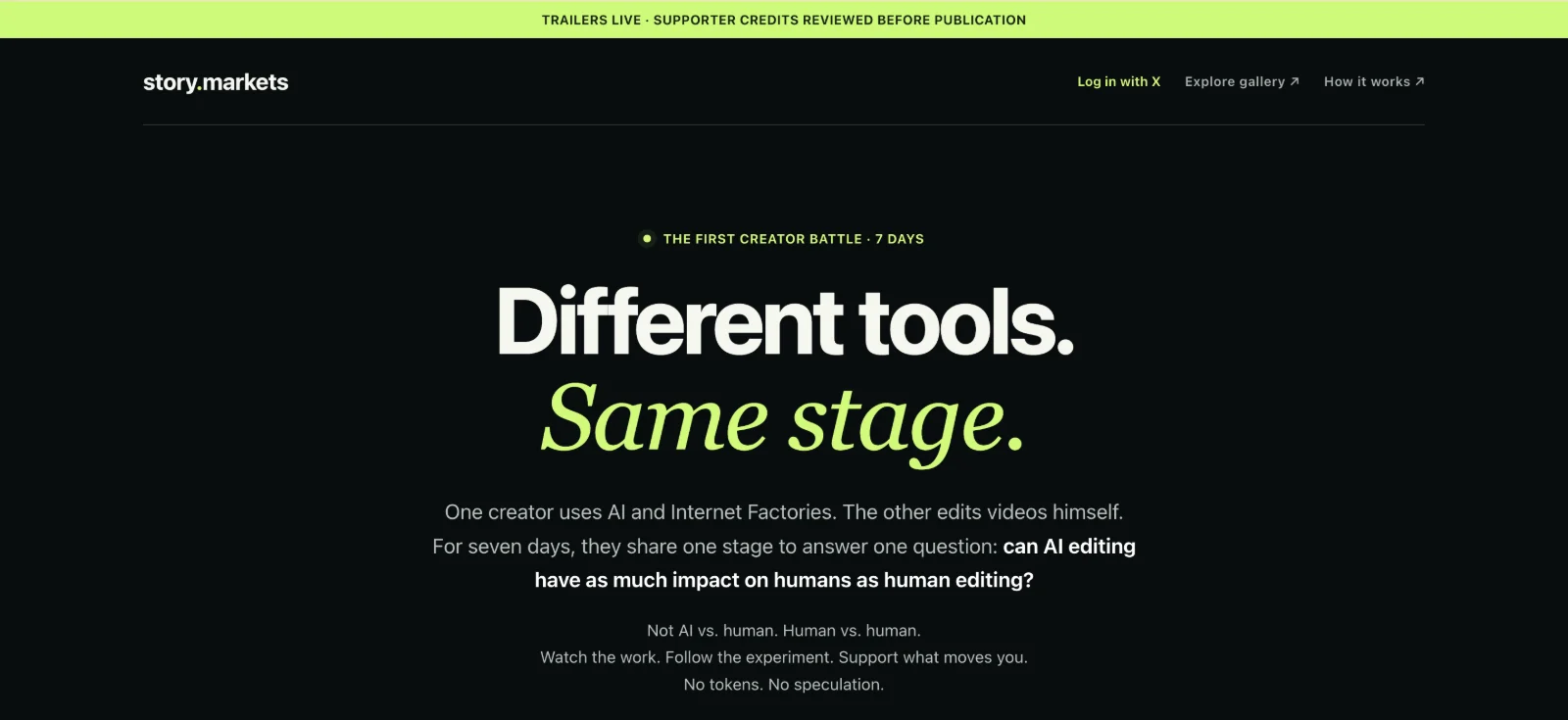
story.markets is an early prototype exploring how funding, attention, and useful information can help creative projects move forward.
Ilyes Bacha, Spritory
The technical work feels most natural to Ilyes Bacha. Building Spritory has also helped him enjoy parts of creating a product that he had not expected to find as rewarding.
Spritory is a game art editor built around composing assets and keeping them consistent.
Its first version focused on tilemaps. That remains part of the work, but Ilyes and his team felt the product needed something more distinctive to bring the experience together.
One detail he particularly enjoys is shape shading. Different combinations of settings can suggest a new direction while he is making something. A small adjustment becomes a creative possibility.
That attention reflects a broader change in how Ilyes understands products. He initially placed most of the weight on executing the functionality well. He now sees the landing page, branding, and small interactions inside the product as parts of the same experience.
A meaningful early win came with his first yearly subscriber. The amount mattered less than the decision: someone had seen what he built and chosen to commit to it for a year.
His current challenge is improving Spritory’s art output. He is working with multiple pixel artists to create results that can help give a game a memorable identity.
That goal reaches beyond whether an asset exports correctly. It asks whether the art contributes something people will remember.
His advice to someone sitting on an idea is to spend time expanding it. An idea that seems small at first can reveal possibilities once you begin building.
What is Spritory?
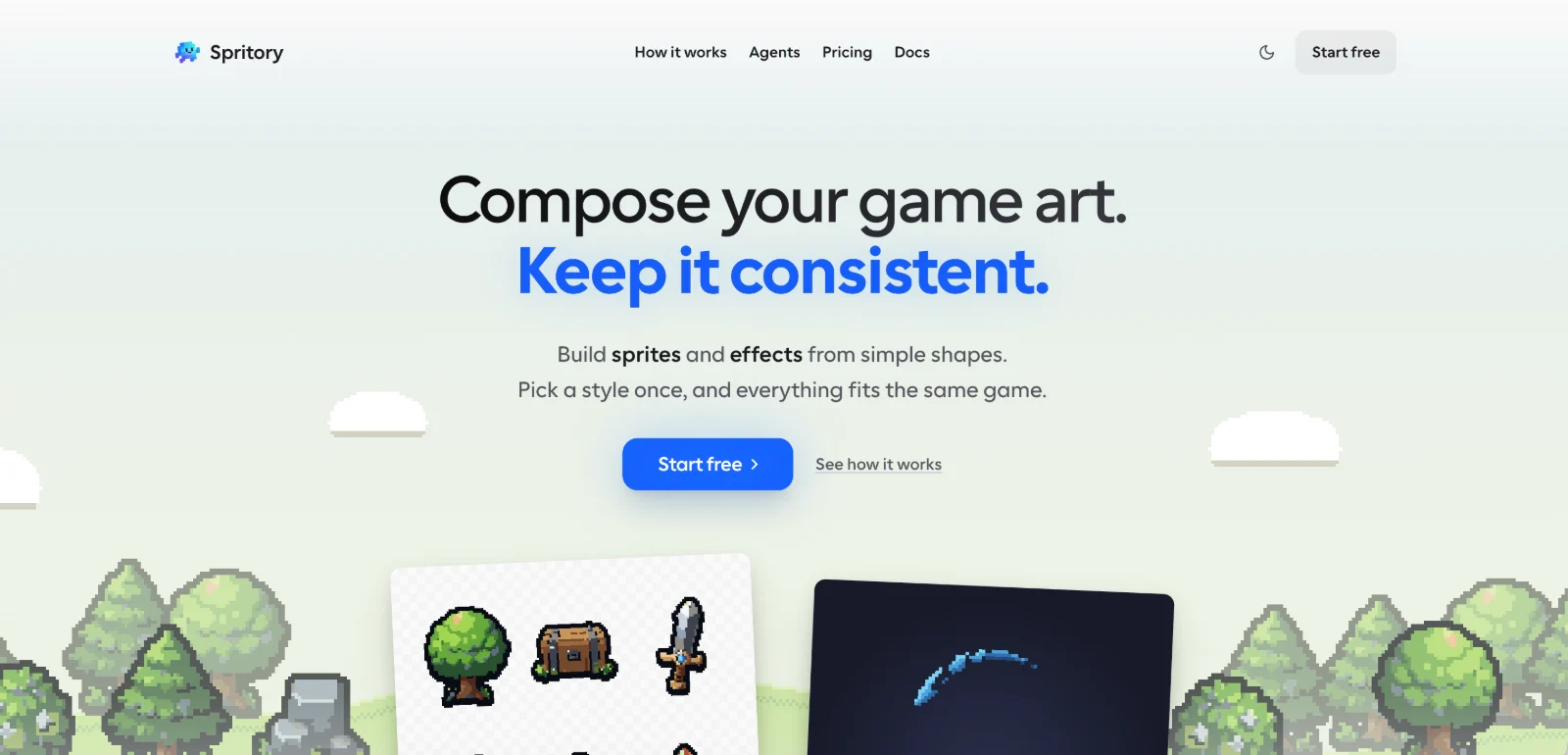
Spritory is a game art editor for composing consistent assets, with tools for shapes, shading, and tilemaps.
The Pattern Behind the Products
Alex, Leo, and Ilyes pay attention to different details.
Alex wants everyday tools to feel simpler and more considerate of the person using them. Leo wants people to understand and verify the work an AI system produces. Ilyes wants creative tools to produce art with consistency and character.
Their interviews show how a builder’s understanding of the job expands over time.
Design becomes a way into shipping software. Verification becomes part of the experience an AI product needs to provide. Branding and small interactions become part of what makes a creative tool worth using.
Getting the features working gives each founder something to put in someone else’s hands. What happens next helps them understand what the product still needs.
Want to be featured in our next article?
Share your story through a Founder Spotlight, whether or not you have launched a product on BuildHop 🐇✨
