

A compliment can tell a founder they have someone’s attention. A waitlist signup or first sale can tell them a little more. Then comes the question that takes longer to answer: will people actually use what they built?
Welcome back to Builders Behind the Launches, our recurring series about the people building in the BuildHop community.
This time, we’re featuring Alexandre Schrammel, Nick | Afterimage, and Andrew Kamback. Their projects serve different people, but all three are paying close attention to what happens after someone’s first expression of interest.
Alexandre Schrammel, Artor
Alexandre Schrammel has liked making things since he was a child taking toys apart and putting them back together. He still gravitates toward real problems, including ones someone else has already tried to solve. To him, an existing solution is no reason to stop asking whether the experience could be better.
That instinct helped shape Artor.
The idea became clearer during a difficult stretch in Alexandre’s career. After being laid off from a company where he had worked for nearly five years, he began interviewing with other teams. Those conversations brought a familiar problem into focus: teams could build and experiment quickly, but the work of sharing what they had made and gathering useful feedback often happened somewhere else.
Artor gives teams a place to publish a working prototype, let others try it, and leave comments directly on the experience. Each version remains available, so the next round of changes has a clear connection to the feedback that prompted it.
Alexandre is also involved in other projects, including open-source interface tools, feedback products, and a macOS touch driver. Across that work, he is interested in what helps people move from an experiment to something others can use.
The strongest signal for Artor came when someone began using it heavily. An enterprise team is now running a pilot, and Alexandre is especially encouraged that employees have signed up on their own. They are finding a use for the product within their work.
Getting more customers remains a challenge. Alexandre knows that building something with care takes effort, and so does helping the right people discover it. His advice to first-time builders is to stay willing to change direction: test the idea, learn from people, and avoid becoming so attached to the first version that you miss what they need.
What is Artor?
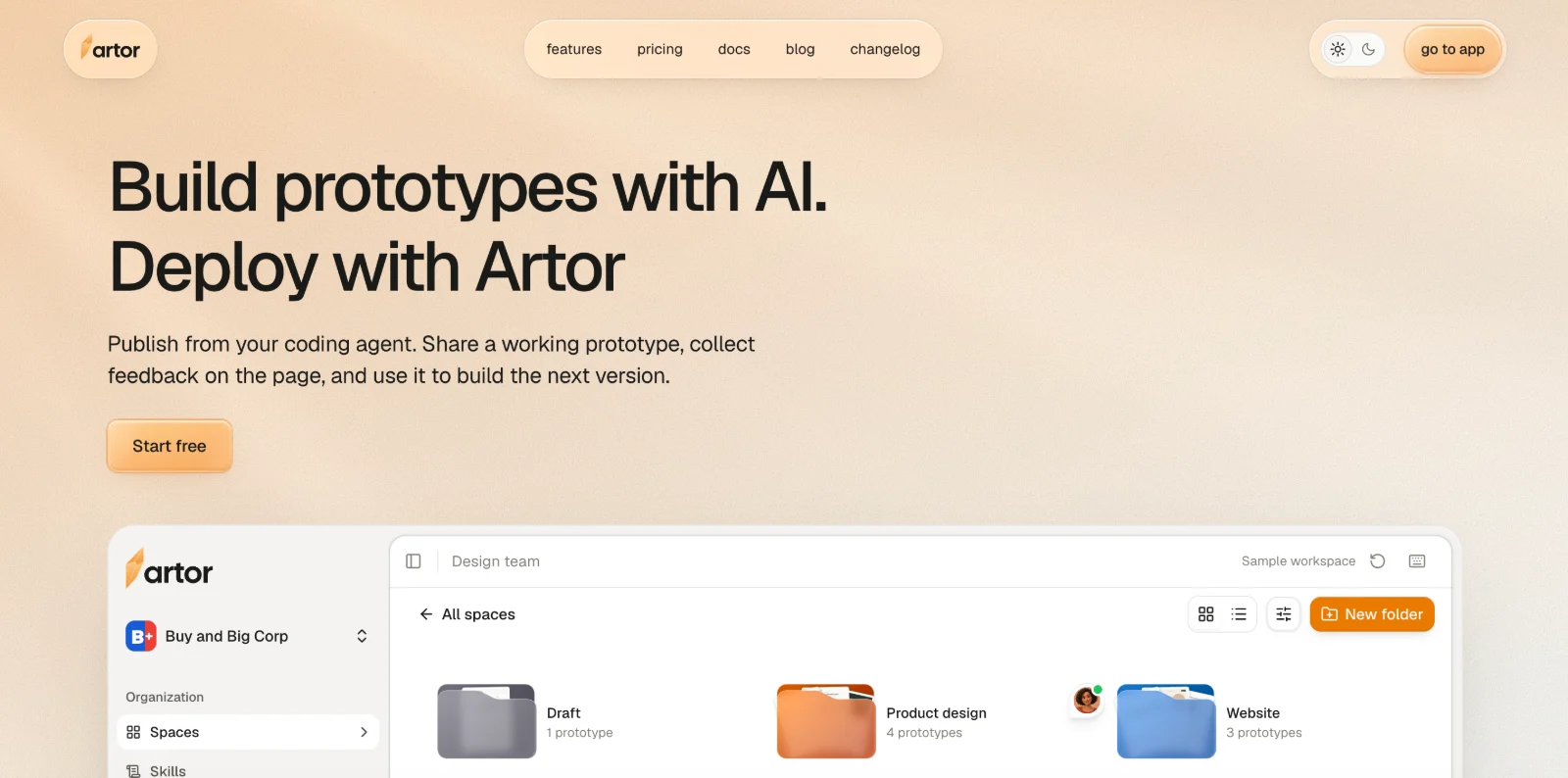
Artor helps teams publish working prototypes from their coding tools, share them for review, and collect comments on the exact page and version being discussed.
Nick | Afterimage, MetricShots
Nick has worked as a software developer for about 14 years. Long before that, he was the kid experimenting with computers and PC games. He still enjoys making tools that people can pick up and use, especially tools that help them show what they have made or celebrate progress along the way.
Earlier this year, Nick began building with AI tools and found himself moving from idea to prototype faster than he expected. He made apps, explored software products, and started learning a second discipline alongside development: getting anyone to notice them.
That learning led him to MetricShots. Nick kept seeing people share follower counts and other milestones online. Those numbers mattered to the people posting them, but a plain screenshot rarely conveyed much of the feeling behind the achievement. MetricShots lets someone turn a meaningful number into an image they can customize and share.
Nick is also building AWNA, a small notch app for Windows, and ScreenshotPop, a tool for creating app store screenshots and visual product materials. The projects differ, but each gives someone a more useful or expressive way to present what is on their screen.
MetricShots gave Nick an encouraging start: he made a sale on launch day. Beta testers shared helpful feedback, and he later saw people return to make more images. AWNA has drawn waitlist interest as well.
Another project taught him to look past the initial reaction. Nick built STARFOUNDERS, a playful directory set in a 3D galaxy. People responded warmly when he shared it, but few stayed for long or became active users. The experience sharpened a distinction he now watches closely: someone can like an idea without having a reason to keep using the product.
Nick is still working on that gap. He wants to reach more people with MetricShots and learn which uses bring them back. His advice to new builders is to validate early, talk to potential users, and keep the first version small enough to learn from. He also reminds builders to protect their health while doing the work.
What is MetricShots?
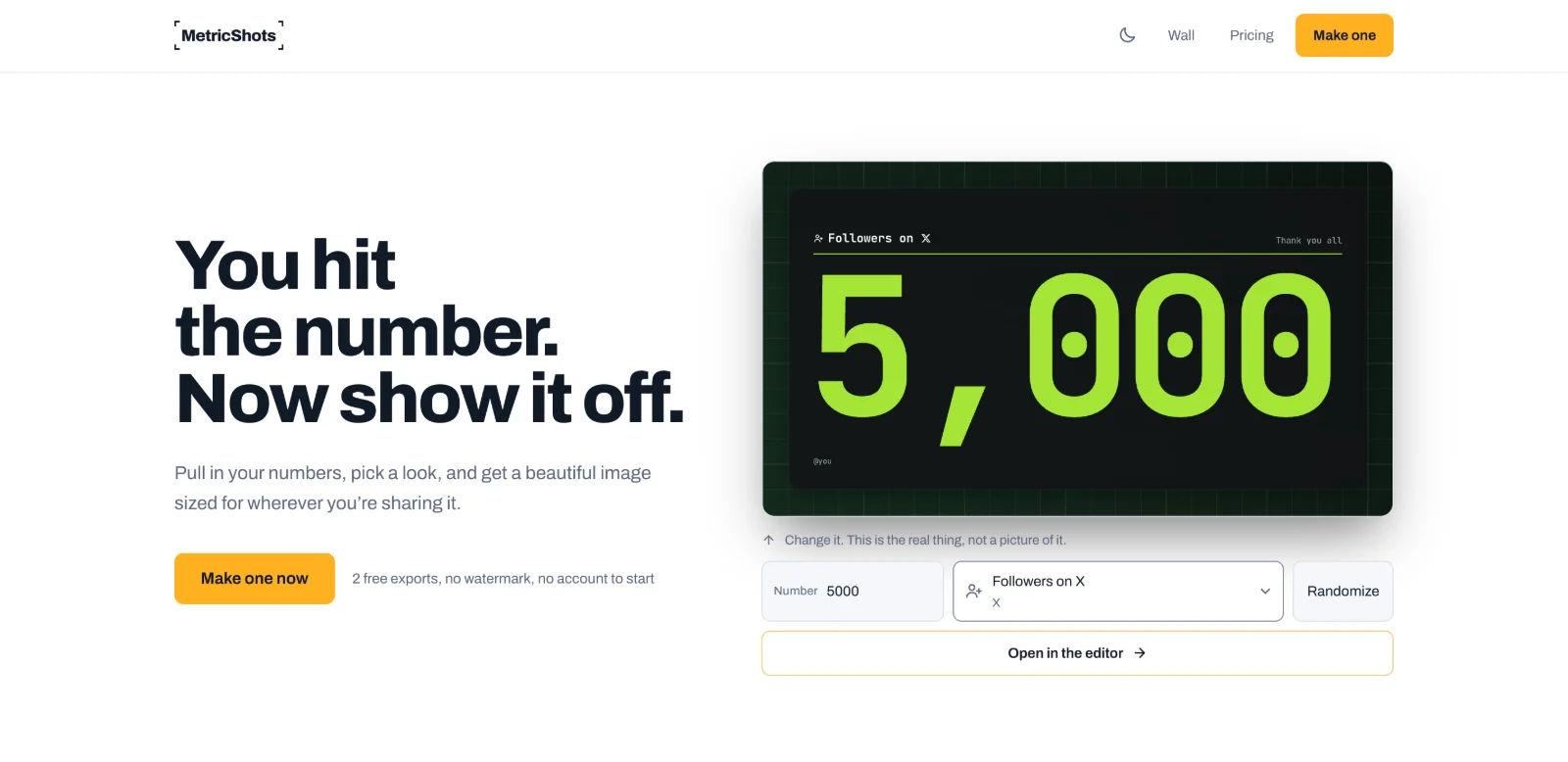
MetricShots helps people turn milestones and other important numbers into customizable images for sharing online.
Andrew Kamback, FlowState Logic
Andrew Kamback tends to begin with a problem he has felt himself. Sometimes it is a skill he wants to develop. Sometimes it is the frustration of using several tools to manage one piece of work. He likes bringing those scattered pieces into a system that feels easier to use.
That approach runs through the projects he is building under FlowState.
FlowState Logic helps learners move from block coding toward written programming languages. A learner works through the logic of a situation first, then sees how that thinking translates into code. Andrew is also developing FlowState Reasoning to help adults become more confident reading code, and FlowState Marsward to bring project information into one dashboard.
Marsward grew out of Andrew’s own difficulty keeping track of the services and infrastructure behind his projects. He wanted one place to see what he was using and get a quick view of each product’s health, including business measures.
Andrew’s thinking about AI has also changed as he has built. He describes himself as fully optimistic about what it could make possible. Even with faster ways to create software, though, he sees marketing and distribution as his biggest unsolved challenge.
One encouraging signal has been people joining a waitlist while an app is still in beta. It tells Andrew that people are interested enough to hear what comes next. He wants more feedback to understand what they need once they get their hands on the product.
His advice to first-time builders is to keep going when something does not work out immediately. Ship, learn what users actually need, and resist spending too long polishing details before anyone has tried the thing.
What is FlowState Logic?
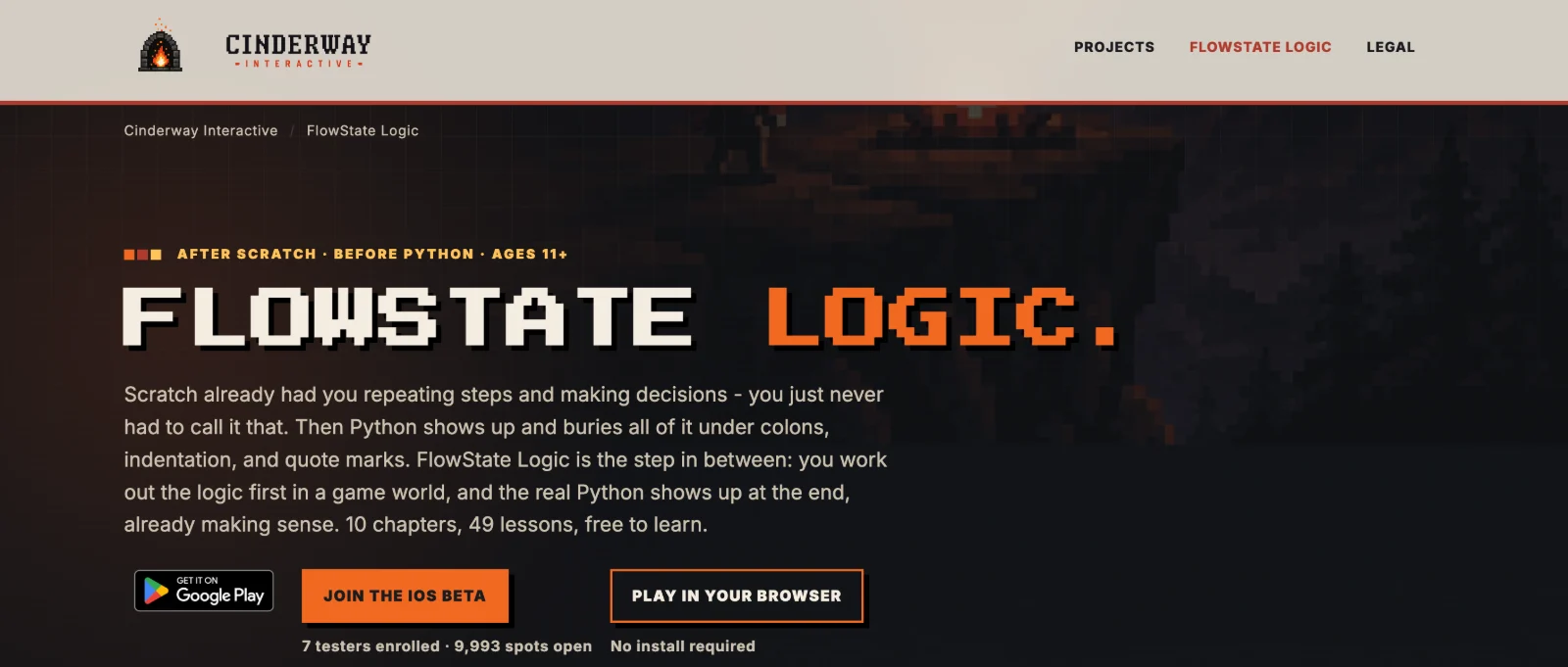
FlowState Logic is a learning app that helps people understand programming logic before they tackle the syntax of a written language. Its lessons begin with a situation to reason through, then connect that reasoning to real code.
The Pattern Behind the Products
Artor, MetricShots, and FlowState Logic address very different moments.
Alexandre helps a team turn a working prototype into a conversation they can act on. Nick helps someone turn a number they care about into something worth sharing. Andrew helps a learner carry an idea they already understand into a new programming language.
Each founder has seen an early sign of interest: employees choosing to try a tool, a customer buying and returning, or people joining a beta waitlist. Each is also looking for the deeper answer that comes from watching people use what they built.
That is the work after the first launch. A founder puts something into the world, sees where people stop or continue, and decides what to improve next.
Want to be Featured in our Next Article?
Share your story through a Founder Spotlight, whether or not you have launched a product on BuildHop 🐇 ✨
