


Most launch advice focuses on the visible work: polishing the landing page, preparing announcements, scheduling posts, and watching the numbers.
But launches produce something more valuable than a temporary spike in traffic. They show you what people actually think about your product.
To capture that information, create three simple documents before launch day.
A folder for everything people say about your product 📂
Create one folder and save every useful reaction you receive.
That includes:
Testimonials
DMs
Support messages
Social posts
Reviews
Comments
Screenshots of people recommending the product
Surprisingly enthusiastic messages from early users
Do not trust yourself to find these again later. Launch week moves quickly, posts disappear, and valuable comments get buried in inboxes.
You may not use every quote publicly. That is not the point.
Over time, this folder becomes raw material for your website, sales conversations, investor updates, case studies, and future launches. It also gives you a place to look when you need a reminder that the product is helping real people.

A note about how people describe the product 📝
Your users will rarely describe the product exactly as you do.
Pay attention when someone explains it to a colleague, mentions it online, or tells you why they signed up. Write down their exact words, especially when they are simpler or more specific than your own messaging.
Look for patterns:
What benefit do people mention first?
What existing product do they compare it to?
Which words keep appearing?
What do they think the product replaces?
Which feature do they treat as the main attraction?
This is not another testimonial folder. It is a record of the language forming around your product.
Your next headline, product description, demo, or onboarding flow may already be hiding inside it.

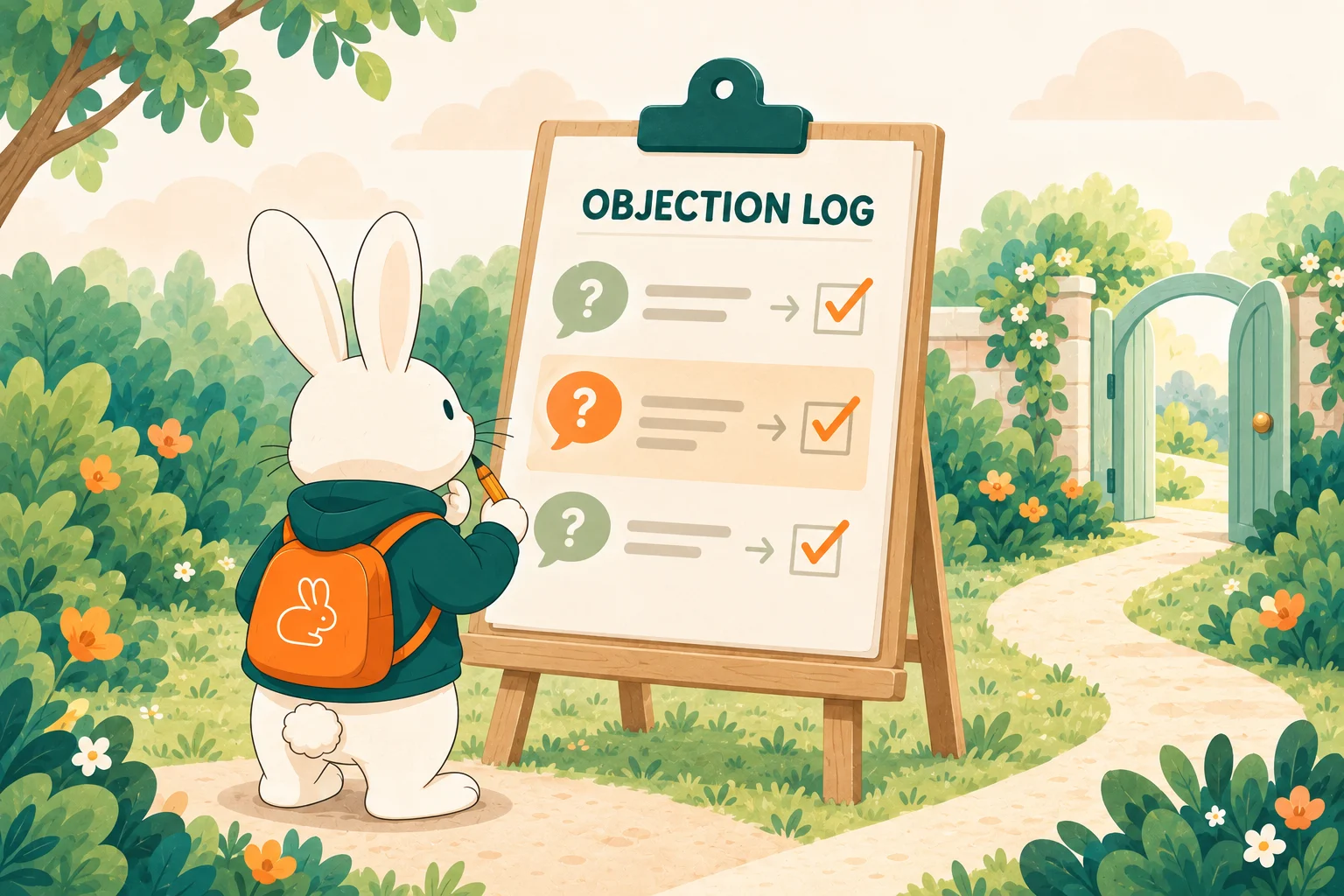
An objection log ⚠️
Launches generate more than praise. They generate confusion.
Keep a separate list of every question, hesitation, and misunderstanding you encounter:
“Is this only for large teams?”
“Do I need to install anything?”
“How is this different from ___?”
“What happens after I sign up?”
“This looks useful, but I would not know where to start.”
Resist the urge to treat these as isolated comments. Repeated objections are product data.
Some belong in an FAQ. Others reveal weak positioning, missing onboarding, unclear pricing, or a feature that needs more work.
If several people misunderstand the same thing, the problem probably is not the people.
At the end of each launch day, review the log and fix the most common source of friction first.
A launch is a research opportunity
A successful launch is not just a burst of attention. It is a rare moment when many people encounter your product at once and show you what they see.
Capture three things while that window is open:
The proof that the product matters.
The language people naturally use to explain it.
The friction keeping them from taking the next step.
Traffic fades. Rankings disappear. These three documents become more valuable with every person who encounters the product.
The goal is not simply to have a good launch day. It is to leave launch week understanding your product better than you did before.
